SSD Appeals Process in Iowa
Hugh Field: 50+ Years Fighting for Denied Iowa Disability Claimants
If you’re facing a debilitating illness or injury, a denial letter from the Social Security Administration can feel like the end of the road. It isn’t. Most initial applications are denied, roughly 67 to 70 percent, and a denial is not the final word on your claim.
What matters most right now is acting quickly. The SSA gives claimants 60 days from the date of the denial notice to file an appeal. Miss that window and you may lose your right to a second or third review, forcing you to restart the application from scratch. We’re available to help denied Iowa claimants begin the appeal process right away. Contact us today for a free consultation to get started.
Understanding the Denial Letter
If you’ve applied for Social Security Disability benefits and been denied, the first step is understanding why. Denial reasons fall into two broad categories: medical and technical (non-medical). Medical denials typically involve findings such as:
- Non-severe medical condition - To qualify for benefits, your condition must be severe enough to significantly limit your ability to work.
- Ability to continue working - If the SSA determines you can still perform your past work or other available work, your claim may be denied.
- Doesn’t meet an impairment listing - Your condition must fall under the SSA’s recognized list of impairments, which you can find here.
- Insufficient medical evidence - A claim may be denied when submitted records don’t fully document the nature, severity, or duration of the condition.
Technical denials are non-medical and may stem from insufficient work history or Social Security credits, earnings above the substantial gainful activity threshold, failure to cooperate with the SSA, or assets above SSI resource limits. Whether a denial is medical or technical directly shapes what evidence needs to be addressed in the appeal.
We’ve helped Iowa claimants recover SSD benefits after an initial denial. Our first step is reviewing your denial letter to identify the specific reason and a path forward based on your circumstances. If your application has been denied, don’t give up. Our firm is here to guide you through every step of the process.
SSDI vs. SSI: Which Program Applies to Your Claim
Iowa claimants are sometimes denied without fully understanding which program they applied under or why eligibility rules differ. Social Security Disability Insurance (SSDI) is for workers who have paid into Social Security through payroll taxes and accumulated sufficient work credits; benefit amounts are based on past earnings. Supplemental Security Income (SSI) is a needs-based program with no work history requirement, and eligibility depends on income and resource limits rather than prior employment.
Some claimants qualify for both programs simultaneously, known as concurrent benefits, particularly when SSDI benefits fall below the SSI federal benefit rate. Iowa claimants denied for SSDI may still qualify for SSI if they meet financial need criteria. The program involved directly determines the basis for a denial and what evidence is needed to address it on appeal. We handle both SSDI and SSI claims and appeals for Iowa residents, with a thorough understanding of the state and federal regulations governing each program.
Applying for Reconsideration After a Denial
Reconsideration is the first formal level of appeal after an initial denial. With our team at Beecher, Field, Walker, Morris, Hoffman & Johnson, PC, you’ll resubmit your materials for review by agents who had no involvement in the original decision.
You may submit additional medical evidence only if it wasn’t available at the time of your initial application. Reconsideration processing runs approximately seven months on average, and many requests are denied. This makes the ALJ hearing a key stage for many claimants. We assist Iowa clients through every step of reconsideration to make sure nothing is missed.
How Much Time Do You Have to Appeal?
You have 60 days after receiving the notice of decision to request any type of appeal. The denial letter will indicate which level of appeal applies to your situation.
There are four levels of appeal:
- Reconsideration. A complete re-evaluation of your claim by reviewers who weren’t involved in the original decision.
- ALJ Hearing. If reconsideration is denied, you may request a hearing before an administrative law judge (ALJ). ALJs approve roughly half of the appeals that come before them, though rates vary by judge and hearing office.
- Appeals Council. If the ALJ hearing results in another denial, the Appeals Council will review the record and may uphold the decision, remand the case for a new hearing, or overturn it.
- Federal District Court. If the Appeals Council denies your claim, a lawsuit may be filed in federal court. Attorney representation is required at this stage.
We’re here to guide you through all four levels of the appeal process. Call us today to speak with a Social Security Disability attorney who can take the time to review your case.
How Long Does an SSD Appeal Take?
The SSD appeal process can take anywhere from several months to several years, depending on how many levels of review are necessary. In Iowa, the ALJ hearing stage alone averages approximately 257 days, or about 8.5 months, which runs roughly one month shorter than the national average. Reconsideration adds approximately seven months before that stage is even reached, and Appeals Council review can extend from a few months to two years. Federal district court review typically takes a year or more on top of that.
Gaps in treatment records and missed deadlines are among the most common sources of avoidable delay. Hugh Field has practiced Social Security Disability law for over 50 years, giving Iowa clients experienced guidance on timing, deadlines, and what to submit at each stage. Working with a social security appeal attorney in Iowa can help reduce procedural mistakes that add time to the process. Claimants who win their appeal generally receive back pay covering the period from the established disability onset date through the approval date.
Local Support for SSD Appeals in Waterloo & Northeast Iowa
For claimants in the Cedar Valley and across Northeast Iowa, navigating the SSD appeals process often means managing a serious medical condition at the same time. The SSA maintains a field office in Waterloo, making local agency contact accessible for Cedar Valley claimants handling initial filings and administrative matters.
The emotional strain of a denial, combined with the pressure of the 60-day filing deadline, can leave people feeling lost. Having an advocate who knows Iowa’s administrative system and the local agencies involved can make a real difference throughout the process.
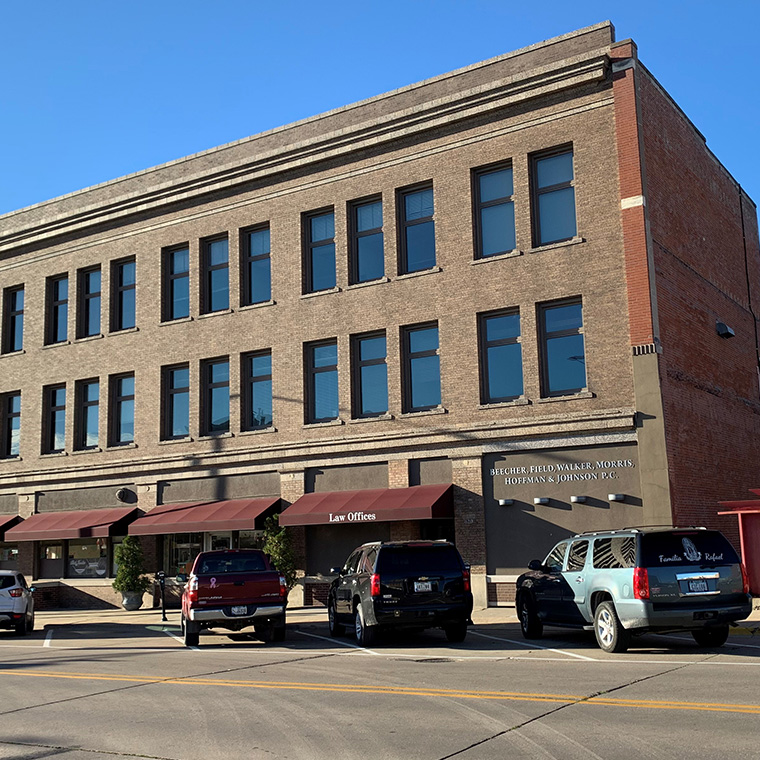
Our firm has been headquartered in downtown Waterloo for over 100 years, and we’ve served clients across Northeast Iowa throughout that time. We provide clear, compassionate guidance tailored to each client’s circumstances. If you’ve received a denial letter, getting experienced legal help is the critical first step toward building a strong appeal.

Why Choose Beecher, Field, Walker, Morris, Hoffman & Johnson, PC?
-
Aggressive Representation
We do what it takes to win and don't hold anything back. Attorney Field is prepared to fight for you.
-
Clients First
We will always put your and your best interests first. Our clients are always our top priority.
-
Decades of Experience
Attorney Hugh Field has practiced law for over 50 years and is well respected in the legal community.
Do You Need a Lawyer to Appeal?
Even if you choose to handle reconsideration on your own, working with a social security appeal lawyer in Iowa becomes strongly advisable once your case reaches the ALJ hearing stage. The hearing involves testimony from vocational or medical experts, as well as witnesses who can speak to how your condition limits your ability to work. Your attorney can question you and other witnesses, and the judge may ask you questions directly. Claimants who face this stage without representation must navigate evidentiary standards and present their functional limitations effectively on their own, which is a significant disadvantage at the stage where many approved claims are decided.
Hugh Field has practiced Social Security Disability law for over 50 years and provides aggressive representation at every level of the appeal process. Attorney fees in SSD cases are regulated by the SSA: no fee is owed unless your claim is approved, and the SSA must approve any fee arrangement. We also offer a free consultation so you can understand your options before committing to anything.
Appealing a disability denial? Call Hugh Field today at (855) 801-1633 or contact us online to schedule your free consultation.